
abc

Author: Marshal@008

  • Greek Life: An American Tradition

    Greek Life: An American Tradition

    Why Fraternities and Sororities are Called "Greek Life"

    The Greek Life in American Colleges

    For most international students the idea of fraternities and sororities is something they come across in films set in US colleges. Dating back to the early 1700 fraternities and sororities have grown into an American tradition, with a presence on campuses across the country. In this article, Ivy Central will explain what they are, the benefits of ‘pledging’, and the concerns that many have about them.

    What is ‘Greek Life’?

    Greek Life is the collective term used to describe the fraternities and sororities frequently found on the campus of colleges in the US. It’s called Greek Life because these organisations take their names from a combination of letters from the Greek alphabet, common examples are Sigma Alpha Epsilon or Pi Kappa Alpha. When the first fraternities were formed college was a male-only preserve but when women started to appear on campus they set up their organizations or sororities. For the most part this divide, on the grounds of gender survives to the current day.

    The common view of what fraternities and sororities are about probably comes from films like Animal House, the 1978 film that satirized and glorified Greek Life, in its portrayal of the drinking culture found in some fraternities. It was deeply influential in what people thought a US college experience should look like and has arguably led to some of the challenges to the Greek system in recent years.

    While the Animal House portrayal probably does exist in some places most Greek organisations have their roots firmly rooted in traditional values of camaraderie and philanthropy. Many of them will have a specific focus, for example, philanthropy, medicine, law or business. Some may be dedicated to a specific religion or ethnic group.

    How do you join?

    Following criticism of the way members were inducted into Greek Life some fraternities, sororities and indeed colleges have changed how they select new members. Traditionally those who wanted to join would first ‘rush’: this is the process where students choose which Greek organisations they want to join, attending recruitment events and interviews. Greek recruitment leaders use these events to take notes on the impression of the applicant and determine whether they would be a good fit for their organization. If they believe a person would work well they will offer the applicant a ‘bid’ or invite to join their fraternity or sorority.

    Having accepted the bid, the student becomes a ‘pledge’ member of that Greek organization until the following recruitment period. A pledge receives a ‘big’, someone who has been in the organization for one or more years than them, who will act as a mentor to the pledge, introducing them to people and showing them around the Greek organization. Bigs often pass down decorations, memorabilia, and Greek letter clothing to their ‘littles’ (the pledge they are looking after) as a way to continue spreading the word about their organization.

    Why should you join Greek Life?

    Friendship

    For many students arriving at a new college, and perhaps a new country, can be a daunting experience. Having people who can show you the ropes and ease your transition into college life can be a great help and joining a fraternity or sorority is one way to access that help. Once joined students tend to form a bond with other members, often these begin to resemble familial ties – fraternity members often refer to each other as ‘brothers’ and sorority members refer to each other as ‘sisters’. Many Greek devotees say that the friends you make in the house are strong, lifelong connections. Having these close friends can be an invaluable source of support during their time at college, it has been shown that members of Greek organisations have a lower dropout rate than non-members.

    Networking

    The Greek organisation a student belongs to will almost certainly be part of a larger network with brother or sister organisations on other campuses. Altogether it is estimated that there are in excess of nine million alumni of fraternities and sororities spread across the world and in all careers. Greek life gives students access to this network and can provide opportunities for internships while at college and help with employment and advancement post college with extracurricular activities to qualify.

    Giving back

    One aspect of Greek life that is often neglected in their portrayal in popular media is the work done to instil a strong commitment to service and philanthropy in their members. It is normal for a chapter to have somebody in a leadership position who will log the time members put in and coordinate events and fundraising. The work done at a particular chapter will often be part of a nationwide drive and it is not unusual for the national chapter to raise hundreds of thousands of dollars each year for their chosen charities.

    What are the drawbacks?

    Time

    If you intend to join a fraternity or sorority you should prepare for it to take over your time outside of class, particularly while you are a pledge. When you first join you are likely to be required to spend much, if not all, of your free time in meetings, completing tasks or just being at the chapter house. This can place a huge strain on your ability to keep up with coursework, so much so that some colleges have banned rushing during the freshman year.

    Even after you are a full member of your fraternity or sorority there are still many commitments you are expected to meet, taking part in fundraisers, social events, attending meetings and so on. Students need to have great time management skills and the ability to balance conflicting demands.

    Cost

    In some colleges, it may feel as if going Greek is the only way to make friends and have a social life, however, the cost can be one of the largest expenses in your budget.

    Most fraternities and sororities will have a joining fee and then dues of up to $1,000 per semester. On top of this, there will probably be incidental fees associated with being Greek such as fines for missing a compulsory meeting or other misdemeanours, clothes in your organisations colours or with their name on it, ‘donations’ to good causes supported by the chapter and tickets to formal and informal events. It all adds up.

    Hazing

    Described as ‘a ritual that involves risk, pain, or harm to gain some form of initiation’ and has been linked with the deaths of 40 students between 2007 and 2017. As a result of the publicity caused by these tragedies many colleges and Greek organisations have banned hazing and many states have made the practice illegal. The reality is that informal hazing continues, often it will be trivial or demining tasks but at the more extreme level, it can also involve the consumption of large amounts of alcohol and ‘tests’ of physical and psychological strength.

    Final thoughts

    The choice of whether to go Greek or not is a personal one, many people gain a great deal from the experience and the connections they make but it is not for everybody. Think about what you want to get by joining and then spend time researching to find fraternities and sororities that match your personality, interests, and identity. If you do decide to pledge, be smart, be safe, and don’t let yourself be pressured to do something you don’t feel happy doing.


  • All Change for the SAT… But Not Yet.

    All Change for the SAT… But Not Yet.

    New SAT-Changes Announced

    The SAT, together with its near relation, the ACT, has been a feature of college applications for many years. As a result of the COVID pandemic most US colleges have moved to a ‘Test Optional’ application format, meaning that applicants can choose whether to submit an SAT or ACT score without it affecting their chances of acceptance. This test-optional format remains in place with most colleges for the 2022/23 round of applications and some colleges, including some of the most prestigious, have already announced that this will be the case for the following two application rounds.

    All of this has led to questions being asked about the future of standardised tests and if they are needed. The University of California colleges announced last year that they will no longer consider ACT or SAT good scores when making application decisions and an increasing number of colleges have followed a similar route.

    In an attempt to reinvigorate the SAT, the College Board, which owns the SAT, announced at the end of January that, following a trial in November 2021, they are going to make significant changes to the SAT and the way it is administered.

    What’s changing?

    • Going digital – the new SAT will be administered digitally meaning that those taking the test will be able to use their own computers, devices in schools or one issued by the College Board for the purpose of taking the test. The test will continue to be administered in school or a test centre, there will not be an option for students to take the test at home.

    • Format – when the new test is introduced it will take around two hours to complete, rather than the three hours required by the current test. The reading passages in the test will become shorter and the range of topics will become broader to better reflect what students read in college.

    •  Calculators – The maths section of the current test contains one section where calculators are allowed and a second where they are not. The new test will allow students to use calculators across the whole maths section of the test, indeed a graphing calculator will be built into the testing app.

    • Test security – the current pencil and paper test has come in for criticism when whole testing cycles in countries have been scrapped because the test has been leaked. The new digital test will enable each student to be set a test that is unique to them while retaining the same level of difficulty. This means that it will be virtually impossible for students to share answers or for questions to be leaked beforehand.

    • Results – sitting, waiting to find out what score you achieved in the SAT will still be there, but it should only be for days, rather than the current couple of weeks.

    • Flexibility – as a digital test there will no longer be a need for the SAT to a pre-set schedule. Currently there are six SAT administrations on dates that are set months in advance. The new test will enable schools and test centres greater choice of when, where and how often they administer the test.

    What’s not changing

    • Rigour – there is no suggestion in what the College Board has said that the test will become any easier. The SAT will still seek to assess the ability of the student to meet the challenges of study at college.

    • Scoring – The SAT will continue to be scored out of a total of 1600, 800 for the English section and a further 800 for the maths section.

    When does this happen?

    The new style SAT will be phased in over two years. Students taking the test in international centres will start using the new digital test from March 2023, while students in the US will take the new test for the first time in March 2024.

    Further information on the revamped SAT can be found on the College Board website.

  • Should I Pursue a Business Degree

    Should I Pursue a Business Degree

    Why study business in 2021? - ESEI International Business School

    Is a Business Degree the Right Choice for Me?

    Business degrees of one description or another are probably the most common undergraduate degrees in the world and are likely to remain very popular with students for many years to come. The reasons for this are numerous, but common themes for why students choose this are its relevance to the world they see around them and an expectation of a strong job market with plenty of opportunity for advancement during their working career. Some of those I speak to have more focused areas of business that attract them, entrepreneurship probably being the most common.

    In this article, I’m going to explain the different types of Business degrees and what you might study if you decide to pursue one, before going on to look at what careers you might choose to go into if you graduate with a degree in Business.

    Types of Business Degrees

    At an undergraduate level, the three most common degrees are Business Studies, Business Administration, and Business Management. The differences between a Business Studies degree and a Business Administration degree can be small and the two names are fairly interchangeable, depending on whereabouts you are in the world. In the USA, Business Administration is the most common business major while in the UK and Europe most students will be pursuing a degree in Business Studies.

    Whichever of these degrees you pursue the curriculum is broadly similar and provides a broad-based foundation in many aspects of the business world. After the first year, many degrees will offer an opportunity to focus your studies on a more specific interest such as accounting, marketing, international business, or entrepreneurship.

    Business Management degrees have a greater focus on well, management. They will usually have a core program that comprises topics like staffing, planning, directing, organizing, and controlling. These five subjects form the bastion of management education.

    There are of course more specialized business degrees that cover a business field in detail, degrees are available in everything from marketing, entrepreneurship, human resources, health management, hospitality, and many more.

    Whichever degree title you end up pursuing you can expect to gain a broad education on business management principles, technical skills, and management abilities that will set you up for your future career. This common coursework is likely to include

    ·      Accounting

    ·      Communication

    ·      Business ethics

    ·      Management information technology

    ·      Business Statistics

    ·      Organisational design

    ·      Leadership

    What can you do with a Business degree?

    Business degrees open up a variety of career options, and graduates are in high demand, the skills learned and refined in a business program are necessary for every industry. Students can easily pursue a variety of business roles in small businesses, corporations, non-profit organizations, education, health, and more.

    More obvious careers with a business degree include roles in accounting and finance departments, which take in large numbers of business degree graduates. Other sectors with high demand for business graduates include marketing and advertising, as well as retail, sales, human resources, and business consultancy. The diversity and plenitude of careers with a business degree underlie the subject’s appeal for many students.

    Depending on your interests and specialisms, examples of careers open to people with a business degree include:

    ·      Advertising

    ·      Banking

    ·      Financial advisor

    ·      Public relations

    ·      Market research

    ·      Distribution and logistics

    ·      Insurance

    ·      Management consultancy

    Employment and postgraduate study in business

    As was discussed at the beginning of this article, a ready supply of good employment opportunities is seen as one of the attractions of studying for a business degree. This seems to be a reasonable expectation, the US Bureau of Labor Statistics predicts business and financial occupations to grow by around 8% between 2020 and 2030, and that some areas, such as Human Resources and Management Analysis roles, are expected to increase by much more. Graduates from UK universities were most likely to move into the labor market post-degree. According to ‘What Graduates Do,’ which tracks the outcomes of students post-graduation, around 90% were in some form of employment fifteen months after gaining their degree.

    Increasingly, completing your undergraduate degree in business is not the end of formal study in the field. A business degree can provide a path towards a master’s degree either straight after their undergraduate degree or, having gained some practical experience, by joining a Master’s in Business Administration (MBA). Some will choose to move on to complete an advanced professional qualification in an area such as accounting.

    Who should study for a Business degree?

    Studying such a broad degree means that most people could find an area of the course where they can excel, but there are some key skills that all degrees will require.

    Students who are naturally self-motivated and organized will excel in a business program. Business requires students to balance multiple tasks on top of their coursework, such as leadership positions, internships, work experience, service work, and more. Students who can show that they are involved and well-rounded will have a strong and broad resume to put in front of employers.

    Leadership is a characteristic that business students possess. Those who are good at collaborating and directing a team show great management skills that will serve them well in a business program.

    Those who naturally enjoy math and technology will excel in a business program. Business degrees often require that students take maths and computer science courses. This will likely include calculus, statistics, and computer-related courses.

    Students who are naturally drawn to topics in business have an interest in the field and may want to learn more about accounting, marketing, finance, management, and more.

    What colleges are good for economics?

    As one of the most popular subjects for study in higher education, it is no surprise that many colleges and universities will offer some form of business degree. The exception to this tends to be amongst the more elite colleges and universities. Places like Oxford, Cambridge, and nearly all of the Ivy League colleges don’t offer a straight business degree, some will offer economics with a management specialism. According to the QS World Rankings, the top business and management studies programs are to be found at:

    ·      Harvard University

    ·      INSEAD

    ·      London Business School

    ·      Massachusetts Institute of Technology

    ·      Stanford University

    ·      University of Pennsylvania

    ·      Bocconi University

    ·      University of Cambridge

    ·      HEC Paris School of Management

    ·      University of Oxford

    Conclusion: So, should you study for a business degree?

    Absolutely! The skills you will develop and the knowledge you gain are very much in demand around the world, resulting in many outstanding career opportunities after you graduate. It is a field where there are numerous opportunities to further your learning, meaning you can adapt to new opportunities or adjust your career path.

  • 21st Century Skills

    21st Century Skills

    21st Century Skills

    Understanding 21st-Century Skills: What They Are and Why They Matter

    Over recent years, new terminology has been spreading through the worlds of education and business—21st-century skills. These skills have become a major talking point in discussions about education reform and workforce readiness. In this blog, I will explain the origins of this term, what these skills encompass, and why they are essential for young people today.

    Background: The Evolution of 21st-Century Skills

    The exact moment when the term “21st-century skills” was first coined remains uncertain. However, discussions surrounding the concept date as far back as the mid-1980s. Like many educational and professional development trends, the idea emerged in the United States before gaining traction in Europe and eventually spreading worldwide. International organizations such as the Organisation for Economic Co-operation and Development (OECD) and the World Health Organization (WHO) played a significant role in promoting these skills globally.

    Over the years, multiple definitions of 21st-century skills have emerged, reflecting the evolving demands of the modern workplace. While there is no universally accepted definition, analysts and educators generally use the term to refer to a broad set of competencies necessary for success in today’s rapidly changing world.

    One of the most widely recognized frameworks was established in 2002 with the founding of the Partnership for 21st Century Skills (P21). This organization played a crucial role in defining and categorizing these skills, making their framework one of the most commonly referenced today.

    What Are the 21st-Century Skills?

    The P21 framework identifies twelve key skills, which combine content knowledge, practical abilities, and literacy in various domains. These skills include:

    1. Critical Thinking
    2. Creativity
    3. Collaboration
    4. Communication
    5. Information Literacy
    6. Media Literacy
    7. Technology Literacy
    8. Flexibility
    9. Leadership
    10. Initiative
    11. Productivity
    12. Social Skills

    These twelve skills are further categorized into three main groups: Learning Skills, Literacy Skills, and Life Skills.

    1. Learning Skills (The “4Cs”)

    Regarded as the most fundamental 21st-century skills, learning skills focus on how students acquire and apply knowledge in different contexts. These include:

    • Critical Thinking – The ability to analyze problems, evaluate information, and make reasoned decisions.
    • Creativity – The capacity to generate innovative ideas and solutions.
    • Collaboration – The ability to work effectively with others, including teamwork and conflict resolution.
    • Communication – The skill of conveying information clearly and effectively, both in speech and writing.

    These four skills are foundational in virtually every career, as they enhance adaptability and problem-solving capabilities in a rapidly evolving work environment.

    2. Literacy Skills (IMT)

    As the world becomes increasingly digital, literacy skills have gained immense importance. These skills help individuals navigate and process information effectively:

    • Information Literacy – The ability to find, evaluate, and use information from various sources.
    • Media Literacy – Understanding the role of media in society and discerning credible sources from misinformation.
    • Technology Literacy – Proficiency in using digital tools and understanding technological trends.

    With the growing prevalence of misinformation, social media influence, and rapid technological advancements, these skills are crucial in ensuring that individuals can make informed decisions.

    3. Life Skills (FLIPS)

    Beyond learning and literacy, personal and professional development requires strong life skills. These include:

    • Flexibility – The ability to adapt to change and handle unexpected challenges.
    • Leadership – The skill to inspire, guide, and manage teams effectively.
    • Initiative – The drive to take charge of one’s learning, career, and problem-solving.
    • Productivity – The ability to manage time and tasks efficiently to meet goals.
    • Social Skills – Interpersonal abilities that facilitate collaboration, networking, and relationship-building.

    These skills are vital in navigating both personal and professional life, ensuring resilience and effectiveness in various settings.

    Why Are These Skills So Important?

    While many of these skills have been valuable for centuries, their application has evolved due to technological advancements and shifting workplace dynamics. Regardless of the terminology used—whether “21st-century skills,” “core skills,” or “soft skills”—these competencies are essential for thriving in an increasingly interconnected and automated world.

    In today’s digital and global economy, technical knowledge alone is not enough. Employers seek candidates who can think critically, solve complex problems, communicate effectively, and adapt to new challenges. Moreover, as artificial intelligence and automation continue to reshape industries, human-centered skills like creativity, emotional intelligence, and adaptability will become even more crucial.

    For young people, acquiring 21st-century skills is key to staying relevant and competitive in the job market. Schools, universities, and training institutions must prioritize these skills in their curricula to ensure students are equipped for success.

    Final Thoughts

    21st-century skills are not just a passing trend; they are the foundation of modern education and workforce development. By mastering these skills, young people can prepare for a future that demands adaptability, critical thinking, and a lifelong commitment to learning. As the world continues to evolve, these skills will remain essential in shaping successful, capable, and well-rounded individuals.

    The question is not whether these skills are necessary—it’s how quickly we can ensure that every young person has the opportunity to develop them.

    Over recent years new terminology has been spreading through the worlds of education and business, 21st Century Skills. In this blog, I will explain where this terminology comes from, what they are, and why they are important for young people today.

  • A Guide To STEM Majors – How To Avoid Dropping Out

    A Guide To STEM Majors – How To Avoid Dropping Out

    Highest Paying STEM Majors

    How To Avoid Dropping Out of STEM Majors

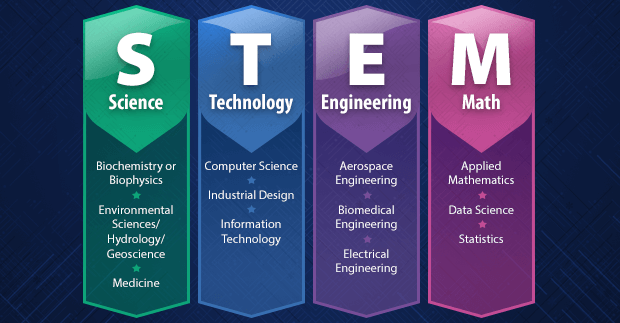
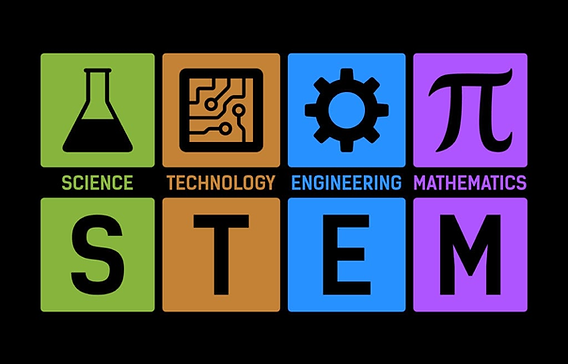
    Majors in science, technology, engineering and maths (STEM) are the most popular choice of major for the students we work with, so it was rather a shock to come across a statistic taken from the Engage to Excel report, stating that 60% of students who start college intending to complete a STEM major end up graduating with a non-STEM degree.

    There are many reasons for this, some key ones are:

    • The expectations of STEM faculty are higher than other departments, even if they do not teach the classes that have the most demanding workloads. Grade inflation, where work is marked higher than work of a similar standard would have been marked in the past, is less prevalent in the STEM majors than in any other majors on campus or in summer breaks.

    • Grading on a curve is more common in STEM classes than in non-STEM classes. This is where the score attained by the largest number of students becomes the middle grade, meaning that the higher and lower grades are fewer in number. The impact is that teachers have already decided that a set percentage will excel, succeed, muddle through, or even fail their classes before the first class has started.

    • STEM classes in the same subject are “cumulative.”   Earlier classes lay the foundations for the following classes. If you struggle in the early classes, your struggle is likely to continue into the more advanced ones.

    • The above combine to create a “sink or swim” mentality. Grading is more competitive. And if you don’t seek help, you are more than likely to fail.

    An important factor that can contribute to STEM students getting into problems with their studies is that in many colleges, introductory courses in subjects like computer science, chemistry, physics, biology, and mathematics are used to fulfill the core requirements for students who don’t intend to pursue STEM majors. The result is that it can be difficult to get into a class you need to progress onto the other classes you need to study, and you have students with a wide variety of interests in the one class. This is most commonly a problem in larger state colleges; the better ones recognise the problem and they run separate sessions for different groups of students.

    Below are some of the things you should be looking for when deciding if the college you are interested in college counsellor who will help you make a strong start to your STEM studies.

    • The quality of the textbook(s): is the text something that majors and non-majors will be able to understand, even if the faculty member or the teaching are poor lecturers?

    • The varied academic interests of students. For example, a prospective pre-med, psychology major, economics major, and environmental studies major all have different interests. But they must all take biology and chemistry. More schools are designing classes or lab sections around these interests.

    • The amount of help available. Many schools have peer tutoring programs in STEM classes and other subjects where a student who aced the course is paid to provide small-group or one-to-one instruction to other students who are struggling with the material. These programs have become quite visible, even at schools such as Georgia Tech that enroll some incredibly bright people.

    • “Flipped” lectures. One new technique used by colleges is to encourage students to listen to the lecture on their own time, then attend class to learn more about the material discussed.

    If you are a student intent on pursuing a STEM major, do take the time to explore not just what you will learn in class, but also how you will be taught. What are the average class sizes in introductory courses, and how will you be supported to gain the foundations you will need for your future courses? Get these things right,t and your chances of graduating with the STEM degree you are set on increase.

  • Why Work with an Independent College Counselor?

    Why Work with an Independent College Counselor?

    Why Should You Work With an Independent College Counselor?

    As a person who earns a living as an independent college counselor, you will not be surprised to know that working with somebody like me can be a solid investment in your family’s future; in this blog, I will explain why. I don’t intend for this to be an extended advert for Ivy Central; rather, I hope to give some pointers on what anybody contemplating employing a private counselor should consider.

    What is college counseling, and what do they do?

    Over the last few years, the number of students, both domestic and international, applying to colleges in the US and UK has grown, resulting in a surge in demand for places at the top colleges and universities. The impact of this demand is that it now takes a stronger application profile for students to win an acceptance, and that is where the independent college counselor comes in.

    College counselors can come in many different forms, and what different companies offer will vary from one to another. A simple description would be that an independent college counselor works with students and parents to help them make informed decisions on the colleges the student will apply to. They will guide them through the different requirements and steps in making those applications. The nature of this work does not differ substantively from what a competent school-based college counselor will do, but while a school-based counselor could well be doing this for a hundred or more students, most independent private counselors will perhaps be working with a few tens of students. Nearly all private counselors will work with students in Grades 11 and 12; some will start supporting students from as early as Grade 7 or 8, using that additional time to help them guide them to create an application profile.

    Many independent counselors will offer additional services, including career guidance, to help students make informed decisions about the direction they want their studies to take. This work can be very beneficial in motivating young people to achieve better grades in school and develop a more mature outlook on their future. Other services offered by private counseling companies might include SAT/ACT preparation, guided tours to visit different college campuses and support to choose extracurricular activities. Most will offer some support with application essays, but this can vary from helping to brainstorm ideas to a detailed review and polishing of the essays written by applicants. An ethical private counseling company would not write essays on behalf of any student.

    While on the topic of ethical practice, the world of private college counseling company was rocked in 2019 when clients of a California-based college counseling company were found to have paid money to bribe college officials and inflate test results to secure admission to elite colleges and universities. The became known as ‘The Varsity Blues Scandal.’ In truth, no professional counselor is in a position to promise acceptance by any college or university. A good counselor will advise on how to improve the chances of acceptance, but there is no shortcut to college acceptance.

     Companies may range from individuals working from home to large companies employing many people in different roles. They may be based in the United States, United Kingdom, or in any country in the world.

    Read More: Guide To UC Berkeley MET Program

    Advantages of working with a private counselor

    Choosing to work with a private counselor brings with it many benefits. I have already mentioned that a private counselor will typically work with only a handful of students applying in any one year, but this is often not the case with a school-based counselor. By only working with a limited number of clients, a private counselor can provide more individual service; this can be particularly useful during application season as they can dedicate more time to each student’s application. Another advantage of working with a private counselor is that they often work with their clients well before they start the detailed work of choosing colleges and writing essays. The additional time means they can get to know the student as an individual, understanding what they want from their college experience, and so are better placed to guide them towards appropriate colleges, advise on extracurricular activities, identify appropriate summer programs that will enhance an application and support with essay writing. This detailed knowledge can be particularly helpful if the student is applying to a college for a major that is less frequently applied to.

    Many families feel overwhelmed by the process of applying to college; there are multiple hoops to jump through and numerous decisions to be made. The private counselor will have worked with students from a wide range of backgrounds and interests; they will likely have experience with what different colleges are looking for and can apply that knowledge to the application process. Many families say that working with a counselor helps lift some of the stress they feel; not only does the counselor help keep track of progress, but they often act as a sounding board and reassurer for parents.

    Is a private college counselor right for your family?

    You may be surprised to read that my answer to that question is ‘maybe.’ There is no shortage of information and guidance on the process of applying to college, but it takes time and effort to find good quality material amongst a great deal of vague and outright wrong information available on the internet. My personal experience is that many families benefit in the way a private counselor can remove some of the stress and time it takes to do it yourself. If you or your son or daughter are aspiring to the top 100 colleges, then an experienced college counselor can help lift a mediocre application up a level, which could make the difference between college rejection and acceptance.

  • Summer Programs for High School Students

    Summer Programs for High School Students

    Comprehensive Guide to Claremont McKenna College | Ivy Central

    While few Summer Programs have already opened their applications for an early-round, the others will follow suit shortly! This blog comes in the form of a step-by-step guide towards planning your summer for the next year.

    The first question to ask is “Are you keen on attending a summer program?” You may also wish to consider if you’re keen on exploring opportunities within your country or would want to travel abroad. This involves bearing the costs of tuition, accommodation, travel, and also planning your summer around this commitment, once made.

    The second question to ask is – what kind of a summer program do you want to attend? The major types include those that are research-focused or ‘academic enrichment courses’ or a blend of the two. Shortlisting your options could be a matter of where you are in deciding a major or a career path. If you feel you are confident you wish to pursue the biomedical sciences, then opting for a research program during the summer could be a good idea. On the other hand, if you are unsure whether you like psychology better than neuroscience, you could opt for an academic enrichment course in either of these to confirm or reject this academic interest.

    The third question upon shortlisting your options is to analyze whether you are able to demonstrate interest in the academic field through skills and experience gained. For example, if you’re keen on applying for a Math program, have you almost always received top grades? Have you participated in olympiads or math competitions? Are you part of a Math Circle? Are you part of a Math Club in school? Do you love to solve advanced math problems in your spare time?

    The fourth is to check if the program asks for teacher or guidance counselor recommendations. If they do, it’s usually in a combination of

    One teacher rec + one guidance counselor rec

    One teacher recommendation

    Two teacher recommendations

    guidance counselor recommendation

    So, how should you select whom to request for an LOR?

    Ensure your grades in this subject are excellent

    Your recommender really likes you as a student and will have many things to reflect on

    Your recommender is able to communicate his/her/their thoughts effectively

    This recommender teaches a subject that is in a way aligned with the subject you’ll be exploring through the program. (e.g. asking a math teacher for a Creative Writing program would not be ideal)

    Upon identifying your recommender/s, ensure to send them a brag sheet. This document includes a list of your achievements inside and outside of the classroom. Add reflective statements against every activity to let them know what you learned and the skills you gained. Alternatively, the brag sheet could be in a QnA format.

    The fifth thing to do is to reflect on these activities and accomplishments through your essays. The most common ones are –

    Why are you applying to this program?

    Why are you applying for this track/subject area?

    Tell us something unique about yourself

    Remember to talk about any projects you are involved in and how it has helped you develop skills that you could hone through the program.

    Read More: Boston Summer Program

    The sixth and final thing is to submit your application. In case of a rolling application, you may want to submit it as soon as you can since these mostly act on a first come first serve basis. Be mindful of the deadlines if you’re applying to numerous programs and ensure that you have everything in place, including the school transcripts and rec letters.

    Wish you luck with your International summer school applications!

    Working with study abroad consultants, overseas education consultants, or, as more commonly known, college counselors, can help you plan ahead and make those high school years count. Ivy Central offers exceptional focus to help you prepare for college admissions throughout the high-schooling years. Start today!

  • Supplemental Essays: A Take on Short Takes

    Supplemental Essays: A Take on Short Takes

    Supplemental Essays: A Take on Short Takes

    The Application Season is here and we are as excited as you are!

    In this blog, I will take you through tips for writing those seemingly insignificant short take supplemental questions that first few, now many, colleges are including as part of their mandatory essay requirements. This year has seen a rise in Short-Take Questions asked by colleges. Well, if you are wondering why here’s the reason –

    Like the Short Answer Questions, Short Takes too are extremely personal ‘essays’ but the difference is that these help the University get to know a LOT about you in just a FEW words. These could range from 25 characters to 100 words. Let’s look at which Universities love to ask Short Takes:

    1. Stanford University

    • What is the most significant challenge that society faces today?*

    • How did you spend your last two summers?*

    • What historical moment or event do you wish you could have witnessed?*

    • Briefly elaborate on one of your extracurricular activities, a job you hold, or responsibilities you have for your family.*

    • Name one thing you are looking forward to experiencing at Stanford.*

    2. University of Southern California

    • Describe yourself in three words. First Word:* Second Word. Third Word. (25 characters each)

    • What is your favorite snack?*

    • Best movie of all time:*

    • Dream job:*

    • If your life had a theme song, what would it be?*

    • Dream trip:*

    • What TV show will you binge watch next? *

    • Which well-known person or fictional character would be your ideal roommate?*

    • Favorite book:*

    • If you could teach a class on any topic, what would it be?*

    3. Columbia University

    • List the titles of the required readings from academic courses that you enjoyed most during secondary/high school. (75 words or fewer)*

    • List the titles of the books, essays, poetry, short stories or plays you read outside of academic courses that you enjoyed most during secondary/high school. (75 words or fewer)*

    • We’re interested in learning about some of the ways that you explore your interests. List some resources and outlets that you enjoy, including but not limited to websites, publications,  journals, podcasts, social media accounts, lectures, museums, movies, music, or other content with which you regularly engage. (125 words or fewer)*

    General Tips to Answer Short Take Questions

    1. Do not take them lightly 

    Short Takes need to be taken as seriously as the longer supplemental questions. They would be evaluated nearly the same way the other common essays would be. Short Takes in themselves are an excellent way to judge character, so ensure you are not underestimating them.

    2. Include a variety, wherever appropriate

    Short Takes on books you have read, movies you have watched etc are included to see if you like to learn for the sake of learning. Do you only read/watch subject specific books/movies or would you expose yourself to a myriad other topics?

    For reading lists, you want to include something from the fiction and non fiction categories, while also mentioning different literary forms (poetry/short stories/novellas) and genres (go beyond sci fiction).

    3. Make meaningful connections

    For Short Takes that allow you the space to explain your choice, do form an uncommon, meaningful, personal connection with yourself. For example, if you picked the ‘Purple Hibiscus’ by Adichie, explain why you enjoyed reading it. Was it because you started analysing the role of religious propaganda in Nigeria, or got a chance to explore an English dialect? This also becomes a way for you to differentiate yourself from your peers applying to the same university.

    Your Dream Trip should probably not be Vegas. Try something that’s relatively unexplored, but also aligns with your personality.

    4. Demonstrate a strong interest in your intended field of study 

    Continuing the example above, what you choose to write about can be a strong indicator of your interest in a specific major. Mention books you’ve read outside of your class that align with these subject areas and also unique takeaways from the books you have read inside and outside of the classroom.

    Here are a couple of recommendations –

    a) News Articles – to demonstrate that you like to be aware of what’s happening in the world (Economics/Finance/Business)

    b) Historical Fiction – such as the Kite Runner (History/Literature)

    c) Shoe Dog – Design/Business

    d) The Immortal Life of Henrietta Lacks (Biomedical Sciences/Pre-med/Race Studies/Law)

    Along with these, it is also a good idea to select those texts that have helped you gain time management skills (Mindset – Carol Derek) and further develop your interests or hobbies.

    Read More: End of SAT Tests and Essays

    5. Be Creative

    Do try to give thoughtful and thought-provoking answers to these questions. Be creative where you need to be, and try to incorporate humor where you can.

    Final word

    Short Takes are a lot of fun, but, ironically take longer to complete. Do start early, and explore different options before closing in on a final one. Wish you luck with your Short Takes!

    Supplemental Essays: The Community Essay

  • So You Want to be a Doctor? Qualifying in the UK

    So You Want to be a Doctor? Qualifying in the UK

    So You Want to be a Doctor? UK

    This is the second of two posts where I am exploring the different routes to qualifying as a doctor in the United States and the United Kingdom. Over the years, these are the countries that most Ivy Central students have chosen to apply to for medical training but of course there are many other options to consider.

    In the first post, I focused on the pathway to becoming a doctor in the United States, in this second article I will be focusing on the route followed by aspiring doctors in the United Kingdom.

    Applying for a Medical Degree

    For a young person leaving school and aiming to become a doctor, studying in the UK, the first step is to be accepted onto a medical degree programme. For most people, this will be a five programme, but there are alternatives which can add one or even two years onto the standard course.

    Your application for entry onto a medical degree course is submitted by mid October of the year prior to when you want to start your studies. All applications are submitted through the University and Colleges Admissions Service (UCAS). The application is made up of personal information, your academic history, a personal statement, and a reference from your school. In addition to the UCAS application, you will also have to sit a UCAT or BMAT test, designed to test your aptitude for medical training. Universities will state which test they will accept, so you may have to take both.

    Another key component of a successful application is for you to have done some work experience, ideally, this will be in a clinical setting, but this can be hard to find so universities will consider volunteering or even non medical experience, so long as you can show how your experience can be transferred to a medical setting. Once your application has been received and reviewed by the universities you have applied to they will decide if they will invite you to interview. This is the final hurdle, if you perform well in the interview your application will be accepted, so long as you meet the minimum academic requirements in your end of year exams.

    Medical School

    Having secured your place, you will normally start your studies at the beginning of the new university year in September. Each university runs there courses in different ways but the overall content and quality of the course is regulated so that each graduate will have covered all of the required knowledge and skills needed to progress onto the next stage of their training.

    Your learning will take place in a variety of forms: lectures, seminars, tutorials, practicals, bedside demonstrations, clinical experience and problem based learning (PBL). Increasingly universities are moving away from the more traditional methods of memorising facts presented in formal lectures, to a more student led learning model, where students are expected to research their own answers to problems. A key part of any aspiring doctor’s training are the clinical placements, supervised placements that you will do in local hospitals and health centres. The timing of your first clinical placement will vary significantly depending on the Medical School that you attend. For example, students at some Medical Schools can expect to see patients right from the first few weeks of university. On the other hand, students who are studying more traditional medical courses, such as those at Oxbridge, may only see their first patients in the second half of their course.

    Having successfully completed your time at medical school you are now a Junior Doctor and ready to progress onto the next step of your journey.

    Foundation Training

    The foundation programme is a two year programme that is a requirement that will enable you to work and practise as a doctor in the UK. It aims to give doctors in training competence in basic clinical skills and management of acutely ill patients as well as developing other softer skill sets such as team working and communication. It is the doctor’s first job after completing medical school.

    You will normally apply to the foundation programme while still in the final year of your medical degree. As part of the online application process applicants are required to rank all of the foundation programme schools in order of preference and each application is then given a score based on their performance during their degree and in the Situational Judgement Test. This multiple choice test is used to test the professional judgement of applicants against a set person specification. Your score is then used to determine which foundation school applicants will be allocated to.

    The foundation programme usually involves six different rotations or placements in medical or surgical specialties. These rotations enable you to practise and gain competence in basic clinical skills. You will also be able to develop non-clinical skills such as communication and teamwork whilst gaining experience in a number of specialty areas, this experience will help you to decide which specialist field you want to pursue once you have finished your training.

    Most Junior Doctors will say that the foundation programme is where things get real, up until that time you have been students with no responsibility but as Junior Doctors you are the contact point for patients, relatives, senior doctors and a host of other medical professionals. Junior doctors quickly learn why such an emphasis is placed on communication skills! The hours are long and, while you are paid as junior doctors, many would argue the pay does not reflect the responsibilities they have. At the same time many doctors will say even as a junior, it is an extremely rewarding future job that enables you to contact with people in a way that no other job can offer.

    Medical Specialty Training

    On the successful completion of your Foundation Programme, you are awarded the Foundation Programme Certificate of Competence (FPCC) and will be able to progress onto the training required to become a General Practitioner (GP) or for one of the many medical specialisms

    The length of the specialty training will depend on which area you choose to specialise in, to train as a GP takes a minimum of three years while other areas can take between five and eight years. Each specialism has a person specification which is used to assess each application, together with other factors such as the quality of the answer to the questions asked and the correct use of spelling and grammar. If your application gets through that stage then you would be invited to interview

    On successful completion of your specialty training doctors are awarded a Certificate of Completion of Training (CCT) which allows them entry onto the General Medical Council specialist or general practice register.

    Conclusion

    That concludes my overview of the routes to becoming a fully qualified doctor in both the US and UK. There is no better option, each has its advantages and disadvantages, it is a question of which fits best for your individual circumstances.

    The key differences that I discuss with the students I work with, include, that you can ‘save’ a year by applying to the UK. In the UK you will become a Junior Doctor in seven years, while in the US it usually takes eight. There are implications to the decision between the US and UK, because in the UK you go straight into medical school, you should be as confident as possible that medicine is what you want to do. If you start a medical degree in the UK it can be difficult to swap to a different degree if you decide that medicine is not for you after all, often it will mean starting from the first year again.

    The final comment is that these posts can only give a general overview of the most common routes to becoming a doctor in the US and UK, both systems have many options that can shorten or lengthen the training period, or open up related areas of work. Before starting your journey, spend the time to fully explore all of the options you have.

    Good luck!

  • So You Want to be a Doctor?

    So You Want to be a Doctor?

    So You Want to be a Doctor?

    With the help of all the medical programmes on television, you may have thought to yourself that becoming a medical doctor may be the career for you. Over the next two blog posts I will take you through the steps, needed to achieve this goal, but as a regulated career, the requirements to qualify as a doctor differs from country to country. In this first article, I will focus on providing an overview of the steps required to train and work in the US, while in the second I will focus on the UK.

    Qualifying in the United States

    The United States is the most popular destination for Ivy Central students wanting to train to become a doctor so I will start by taking you through the different steps required to qualify from UK as a doctor.

    Complete an undergraduate degree.

    In the US a degree requires at least four years to complete. The first two years provide an opportunity to try out different areas of interest but will normally have some common thread running through them. Normally, as you approach the end of your second year you will need to ‘declare a Major’. This is the point where you state the area of study that you will concentrate on during your final two years and will be the subject you will do your final work. Although your major will be the focus of your work there is still plenty of time to study other areas, do internships etc.

    If you want to be a doctor in the future you will need to have followed an undergraduate degree that demonstrates a broad general education that is strong in natural sciences. No set major is required however there are several areas that you will need to have covered, these included, Biology, Chemistry, Physics, and Maths. It will also help you greatly if you can use some of your time to gain experience in a medical setting, either by volunteering or as an intern. This experience will help you to make sure that being a doctor, which can be a very demanding field of work, is the right decision for you.

    Some people refer to this as being a “Pre-med course’ and some schools will even offer a “Pre-med Major’ but this description can be misleading. As you have already read there is no specific major that you need to gain to be admitted to medical school.

    The advantage that declaring a Pre-med pathway or major is that they are likely to link you to a “Pre-med Adviser’ who can advise you on the courses you study and help you prepare for the MCAT. Many non-pre-med courses will have these advisers available to you so the best advice is don’t get hung up on going to a ‘Pre-med college’, aim for colleges where you will fit in, that way you are more likely to do well and can progress to the next stage.

    Take the Medical College Admissions Test (MCAT)

    The MCAT is a multiple-choice, standardised test that is required by almost all medical schools in the USA. The subject areas covered by the test include, biology, general chemistry, organic chemistry, and physics, the test also assesses problem-solving, verbal reasoning, and written competency.

    Most students doing the MCAT will complete it during the academic year proceeding their start at Medical College, often the final year of the undergraduate degree. You can take the test up to three times during that year but, depending on your circumstances it is generally better to get it out of the way as early as you can so that you have the time to complete the rest of your degree requirements.

    The scores of any tests that you have taken will be reported to any Medical Schools you apply to and is an important piece of evidence that they will use when deciding on your application. Medical schools will consider other factors when making their decision, such as your overall academic performance, experience of medical settings, your enthusiasm and commitment to this type of work, and how you will fit into their setting.

    Medical School

    Like the undergraduate degree medical schools normally take four years, so eight years in total. It is a mix of medical training and education and is split into two parts.

    The first two years are spent on book study and lab work covering pharmacology, pathology, anatomy, and biochemistry. You will also take the first step towards achieving certification by taking the first portion of the United States Medical Licensing Examination.

    In the third and fourth years, students begin their clinical experience starting by completing a number of periods, called rotations, in different clinics and hospitals and covering areas such as neurology, radiology, and medicine. During this time students will work under attending physicians who will help them gain the practical experience necessary for the fourth year when they will begin their residency training.

    When applying to medical school you will need to choose between applying for a programme that leads to becoming a medical doctor (MD), or an osteopathic doctor (DO). 

    In the USA, Medical Doctors are sometimes called allopathic physicians to differentiate them from osteopathic doctors.

    Allopathic medicine is the classic form of medicine that is focused on looking for symptoms to diagnose and treat ailments.

    DO’s practice osteopathic medicine, a form of medicine that is centered around a more holistic view of medicine than those trained in the more common form practiced by MD’s.

    Both routes follow the same timescale and are similar in design although DO’s will do an additional 200 hours of training during their time in medical school. There are also differences in the registration process required by the two areas.

    Residency

    Once you graduate from medical school you are officially a doctor however you will need to complete a further period of training before you can become registered and practice medicine by yourself. This period of further training is called a residency and is a period of a doctor’s internship lasting for between three and seven years, depending on the area of medicine you wish to specialize in. The training is nearly all practical experience in a medical environment rather than learning in a classroom.

    You will normally apply for your residency in your final year of medical school, there is usually an interview and a tour of the facility where you will be based. Having visited a number of opportunities you rank them in order of your preference, meanwhile, the places you have visited will rank all of the people that they have interviewed. There is then a process to match those applying for a residency with available residency opportunities.

    As outlined above the period of a residency depends on what area you wish to specialize in, family practice, internal medicine, and pediatrics are normally three years while specialties such as surgery and urology are usually longer.

    For some, a post-residency may be required to gain further training in particular sub-specialties such as geriatric or vascular medicine. Post-residency training can last from one to three years.

    Most people say that the residency period is the most grueling part of becoming a doctor, particularly the first year. It is not unusual to work in excess of 45 hours a week and it can be as much as 80. A lot depends on the type of medicine you specialize in, some areas will require that you are on call on top of your ‘normal’ hours, in which case time can quickly add up.

    The good news is that you can expect to be paid. Once again, the area you specialize in will influence how much you are paid but according to the American Medical Association, first-year residents were paid an average salary of between $40,000 and $50,000 a year in 2012. Those in their second and third year are normally paid more.

    As a resident, you will be responsible for assessing patients, performing medical examinations, attending patient rounds, and performing treatments and diagnostic procedures. Additionally, you should expect to prescribe treatments and perhaps assist with surgical procedures or respond to emergencies.

    During your first year, you will be closely supervised by senior residents and attending physicians, however, as you progress and gain more experience you are given greater responsibility and independence. By the time of your third year, you should expect to be supervising those in the first year of their residency.

    Gaining a Licence

    Before you can legally practice medicine you will need to be licensed by the state you intend to work in, each state has its own requirements. Most will expect at least 1 year of residency and the completion of a board certification exam in your area of medical specialty.

    So that’s it, four years of undergraduate education, four years of medical school followed by your residency years and you are a fully qualified doctor. In the next article, I will be turning the focus onto the UK and exploring the steps required to qualify there.