All You Need to Know About Brown University
Overview
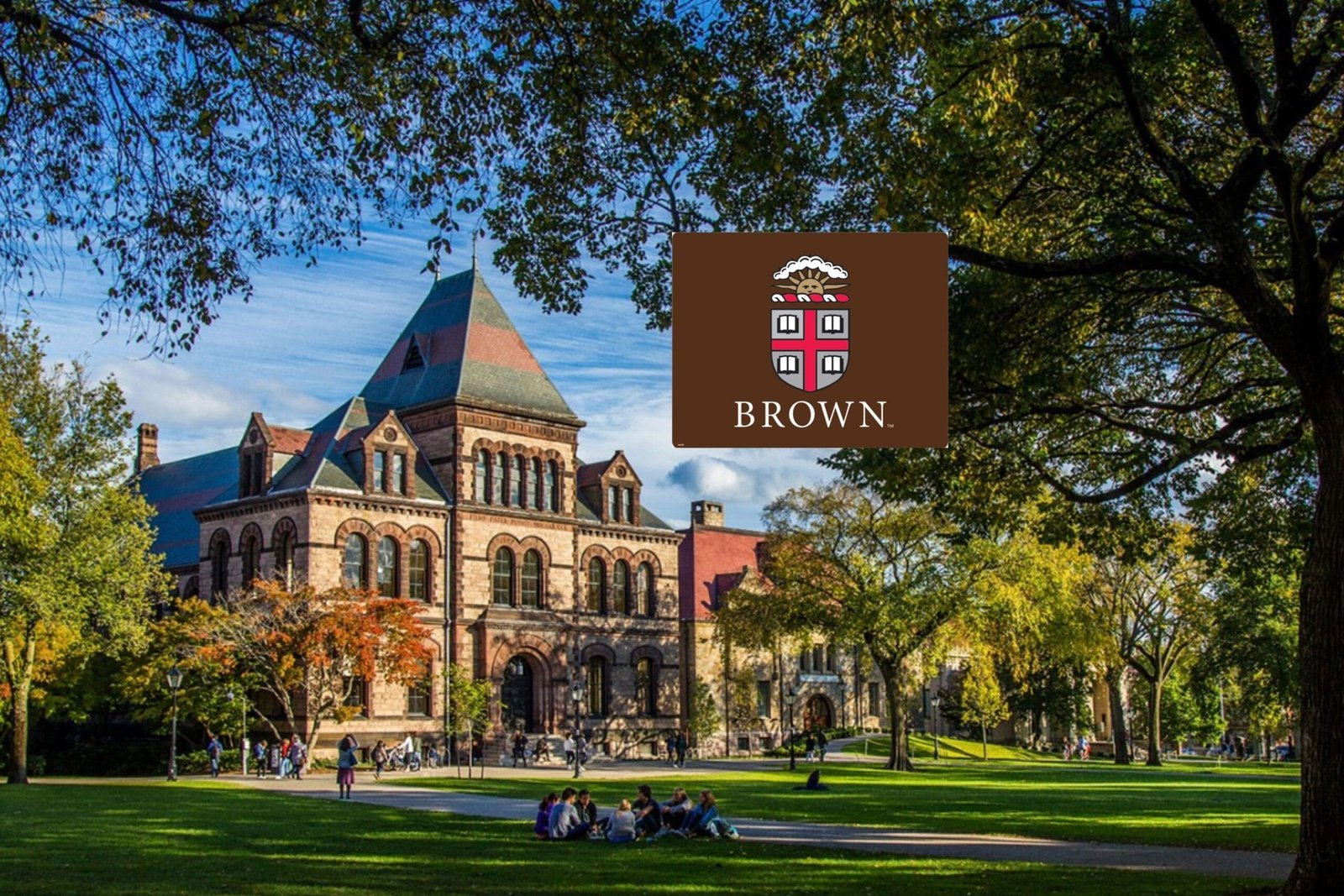
Brown University is a private Ivy League research institution located in Providence, Rhode Island. Founded in 1764, Brown is the seventh-oldest college in the United States and has a long-standing reputation for academic excellence.
-
Location:
Brown University is located in Providence, the capital of the smallest US state, Rhode Island. Known for its rich cultural history, vibrant arts scene, that is supported by the large student population in the city. Providence is easily accessible by car, bus, train, or plane, being situated approximately one hour away from Boston and three and a half hours from New York.
-
Student Cohort Size:
Brown has a total undergraduate enrolment of approximately 7,500 students, making is one of the smaller Ivy League colleges, midway between Dartmouth and the smallest, Princeton. Add the students pursuing one of the university’s graduate programs, and the total college enrolment is approximately 10,000 students.
Approximately 10% of Brown University’s undergraduate population is made up of international students from over 100 countries. Considered to be something of a bastion of political correctness, the diverse student body brings a wealth of experiences and perspectives to the university community.
Admission
-
Acceptance Rate:
Brown University’s acceptance rate for the class of 2025 was 5.4%. This is one of the lowest acceptance rates in the country and demonstrates the high level of competitiveness among applicants.
-
Acceptance GPA:
The average GPA of accepted students for the class of 2025 was 4.08 on a 4.0 scale, reflective of the high academic standards at Brown University and the rigorous coursework required for admission.
-
Types of Admission:
Brown University offers two types of admission: Early Decision and Regular Decision. Early Decision, (ED) is a binding agreement, meaning that if a student is accepted, they are required to attend Brown University. Applying ED can improve your chances of acceptance but you need to be absolutely sure you want to go to Brown as you will not be allowed to apply to any other colleges. Regular Decision, (RD) is non-binding, allowing students to compare financial aid offers from multiple universities before making a final decision. Application dates are 1st November for ED and 5th January for RD.
-
Additional Admissions Requirements:
In addition to the standard application materials (transcripts, test scores, essays, etc.), Brown University requires applicants to submit graded written work from a humanities or social sciences course, as well as a recommendation from a teacher in a core academic subject. Currently Brown is test optional, meaning that you can choose to submit SAT or ACT scores, but you will not be considered less favourably if you don’t. Brown doesn’t offer or require students to interview.
Read More: Yale University Acceptance Rate
Academics
Brown University offers over 80 undergraduate majors, ranging from Anthropology to Visual Arts. Brown is the only Ivy offering an Open Curriculum meaning that there are no distribution requirements or core that students need to follow to graduate. Instead, students can explore their interests and passions by designing their own academic programme. The freedom to set their own studies can be liberating for students, but they need to be mature, self-confident and use their own initiative to make the most of it. Students receive support through the ‘Advising Programme’ which covers both academic and personal advice including in dorms.
-
Standout Concentrations:
Brown offer ‘Concentrations’ which are Majors under a different name. While all of the programmes offered at Brown are considered ‘strong’ Brown is particularly regarded for its concentrations in the humanities and social sciences, including English, History, Political Science, and Sociology. Additionally, the university’s programs in the life sciences, such as Neuroscience and Molecular Biology, are highly regarded. It also offers its Program in Liberal Medical Education, (PMLE), an eight year combined undergraduate and medical school education.
-
Faculty/Student Ratio:
With a faculty/student ratio of 1:7, students attending Brown have ample opportunities to work closely with professors and engage in meaningful research and academic discussions. Having such a low faculty/student ratio, results in approximately 70% of classes having fewer than 20 students in them.
-
Four-Year Completion Rate:
The four-year completion rate for Brown University is approximately 86%, which is higher than the national average. This demonstrates the university’s commitment to providing a supportive and engaging academic environment that fosters student success.
-
Cost of Attending:
The cost of attending Brown University comes in at approaching $85,000, made up of tuition and fees, room and board, books and other expenses. Currently, Brown is only need blind for domestic students, however, they have recently announced that they will extend this to international students starting courses in the fall of 2025.
In conclusion, Brown University is a highly competitive and prestigious institution known for its academic rigour, diversity and inclusion student body, and commitment to innovation and excellence. With a wide range of majors, a supportive faculty, and a commitment to student success, Brown University offers an unparalleled academic experience for those seeking a challenging and rewarding educational journey.
Working with study abroad consultants, overseas education consultants, or, as more commonly known, college counsellors, can help you plan ahead and make those high school years count. Ivy Central offers exceptional focus to help you prepare for college admissions throughout the high-schooling years. Start today!